
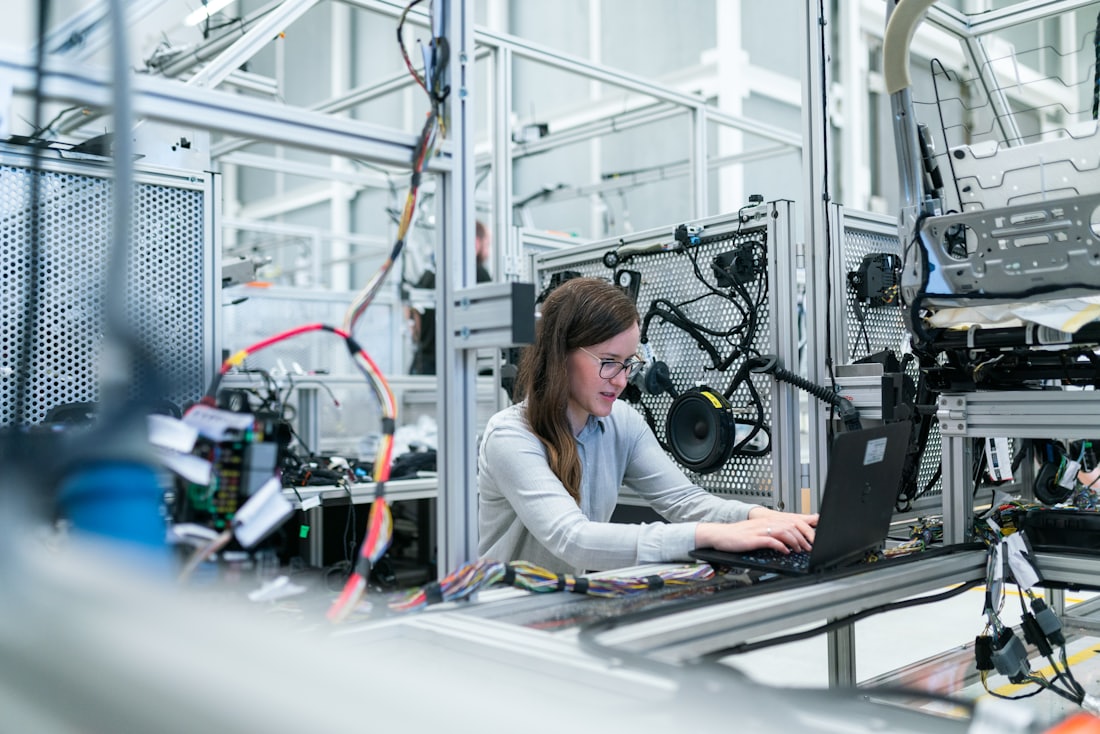
The Line Does Not Stop For Software
Manufacturing projects fail in a specific way. The system is designed around the plan and the floor works around it within a week — paper travellers reappear, entry is batched at end of shift, and the data is a day old and wrong.
We design against that. Capture at the point of work, in seconds, on the device that is already there. Where a machine can report for itself, it does. What people have to enter is kept to what only people know.
- Data captured at the station, not re-typed at end of shift
- Machine data pulled directly where the equipment supports it
- Screens that work on a scanner, a panel PC and with gloves on
What We Build For Manufacturing
The systems between a work order and a shipped, traceable product.
Production Execution (MES)
Work orders, routing, station tracking and WIP visibility, so the plan and the floor are the same picture.
Inventory & Materials
Raw material, WIP and finished goods with lot and batch tracking, consumption and stock accuracy that holds up.
Quality & Compliance
Inspection plans, non-conformance, CAPA and certificates, with the traceability an audit or a recall demands.
Maintenance (CMMS)
Preventive schedules, breakdown reporting, spares and downtime history tied to the asset rather than a spreadsheet.
IIoT & Machine Monitoring
Machine data collection, OEE, downtime reasons and alerting from equipment that can report for itself.
Supplier & Customer Portals
Purchase orders, schedules, ASNs and delivery visibility shared with suppliers and customers directly.
What Decides Whether It Holds
A plant system earns trust in the first month or it never does.
OT and IT integration
PLC, SCADA and OPC UA data brought into your systems safely, without putting the control network at risk.
Traceability & genealogy
Full lot, batch and serial genealogy, so a recall question is answered in minutes rather than days.
OEE & downtime
Availability, performance and quality measured consistently, with downtime reasons captured while they are still known.
Planning & scheduling
Finite scheduling against real capacity, changeovers and material availability, re-planned when the day moves.
Edge & offline resilience
Stations keep working through a network or server outage and reconcile afterwards — the line cannot wait for IT.
Audit & documentation
Electronic records, sign-offs and validation documentation appropriate to your sector's regulatory regime.
What We Connect To
A plant is a mix of equipment and systems bought over twenty years. Making them talk is most of the work, and it is work we scope before committing to a date.
Talk to our teamHow We Deliver
Proven on one line during a real shift before it goes anywhere near the rest of the plant.
Walk the line
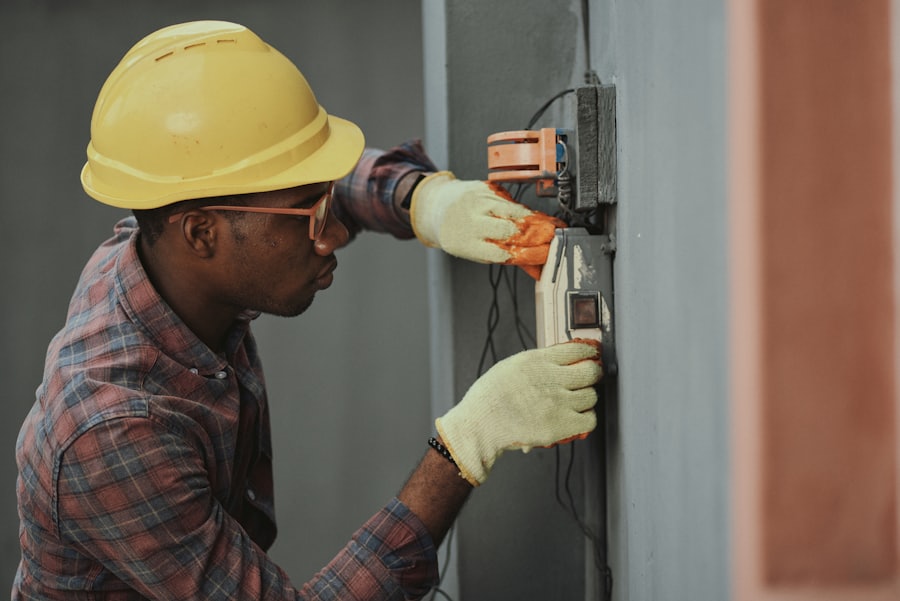
We follow a job end to end across a shift and record how the floor really works, including the workarounds.
Data layer first
Machine and station data collection built and validated before any dashboard is designed on top of it.
Execution and quality
Work orders, traceability and quality workflows built, then run in parallel with the existing method on one line.
Line-by-line rollout
Pilot line stabilised with support on the floor, then extended cell by cell — never a plant-wide switch.
Which Number Do You Not Trust?
Stock accuracy, actual output, downtime reasons, cost per unit. Tell us which one you argue about in the morning meeting and we will start there.
Talk to our teamManufacturing Questions
What plant and operations teams ask us before starting.