
Role Of Blockchain Solution in Retail & eCommerce Industry
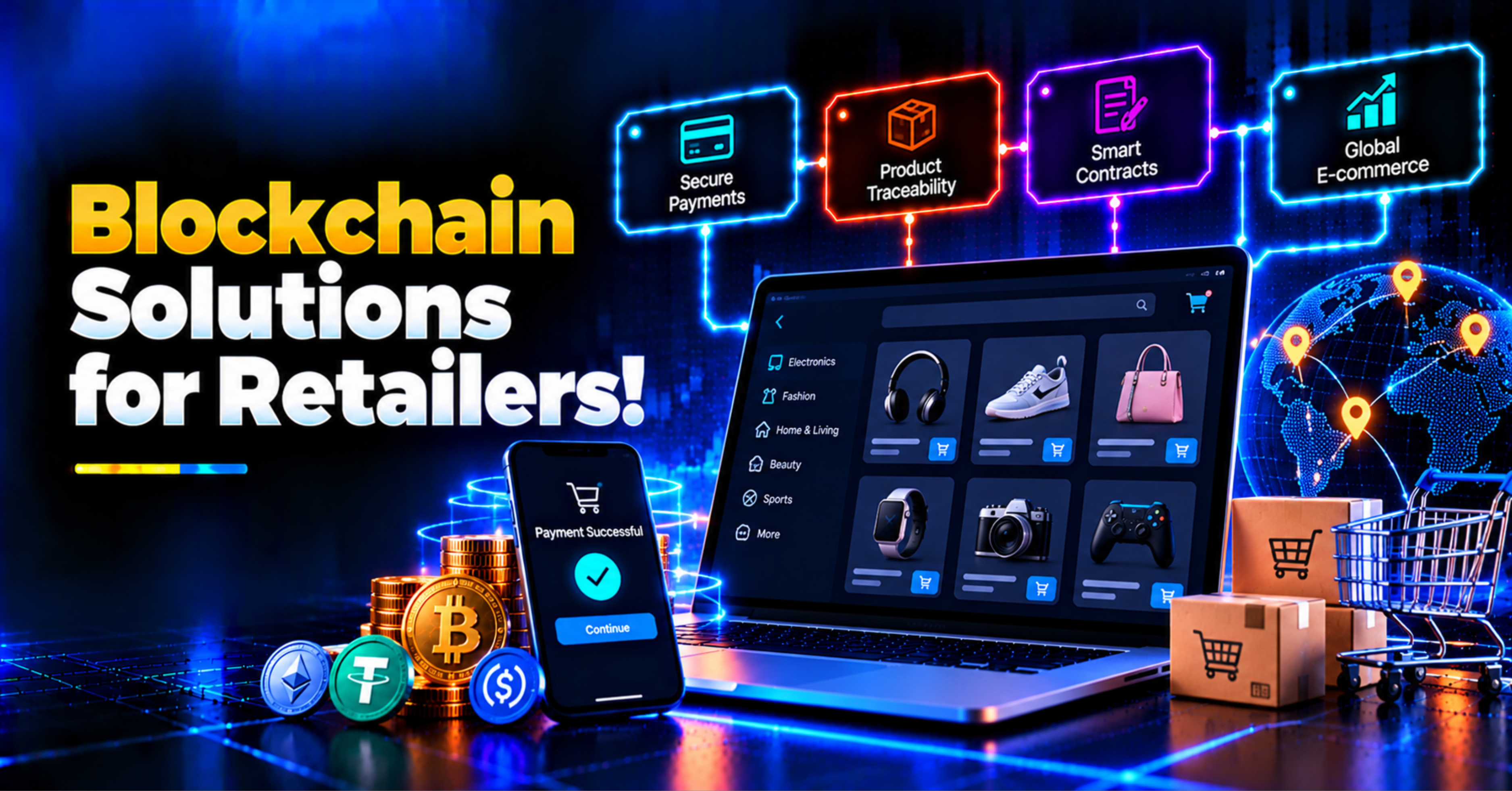
Blockchain Solutions for Retailers can make online shopping safer, faster, and easier to manage. Retailers need secure payments, clear records, and smooth order handling. They also need tools that can grow with their business. Blockchain can help meet these needs through shared records, smart contracts, and secure digital payments. ITSpectrum Solutions builds technology for modern online businesses, including e-commerce platforms, crypto payment systems, and business management software.
Online retail keeps changing. Customers want quick payments and clear delivery updates. Sellers want lower costs and better control. Blockchain can help both sides when it is planned and built well. In this guide, we explain common retail problems, useful blockchain features, and ways to build a smarter e-commerce marketplace.
Why Do Retailers Need Better E-commerce Technology?
Many online stores still depend on separate tools for payments, stock, orders, and customer support. These tools may not share data well. This can lead to delays, errors, and extra work. Retailers may also face payment fraud, high fees, and poor supply chain visibility.
Customers may lose trust when payments fail or order updates arrive late. Sellers may lose time when teams must check records by hand. A connected digital system can reduce these issues. Blockchain can add shared records and clear transaction history. It can also support smart contracts that run when set conditions are met.
Common Problems in Online Retail
- Payment fraud: Fake payments and stolen data can harm both buyers and sellers.
- Slow settlements: Some payment methods take days to clear.
- High transaction costs: Third-party fees can reduce profit.
- Limited product tracking: Customers may not know where a product came from.
- Weak data sharing: Sellers, vendors, and delivery teams may use separate records.
- Limited global payments: Currency and payment rules can make cross-border sales harder.
- Manual work: Teams may spend hours checking orders, payments, and reports.
Retailers need tools that connect these tasks. A well-planned e-commerce system can improve daily work and support future growth.
How Blockchain Solutions for Retailers Improve Online Marketplaces
Blockchain stores records across a network. Once a record is confirmed, changing it can be difficult. This helps create a clear history of payments and other events. Smart contracts can also run tasks when set rules are met. Together, these tools can support safer payments, better tracking, and more open business processes.
Blockchain does not solve every retail problem on its own. The system still needs good design, secure access, and careful testing. Retailers should choose features that match their goals and customer needs.
1. Secure Payments with a Crypto Payment Gateway
Payment security is vital for every online store. A crypto payment gateway can let a business accept supported digital assets. Blockchain records can help teams check payment activity and follow each transaction.
Cryptrum is ITSpectrum's crypto payment gateway solution. It can be considered by businesses that want to explore digital asset payments. The right setup depends on the assets accepted, the target market, local rules, and the store's payment needs.
Retailers should use strong account security, safe key management, and clear payment checks. They should also explain payment steps to customers. No payment system can promise that fraud will never happen, so regular checks and risk controls remain important.
2. Faster Settlements and Lower Payment Friction
Traditional payment routes can involve banks, payment providers, and other service partners. This may add steps to a transaction. Some blockchain payments can settle faster, depending on the network and the service used.
Retailers can review digital payment options to see whether they fit their needs. They should check network fees, confirmation times, conversion costs, and refund rules before launch. They should also explain any charges to customers in clear terms.
Bulk payment tools may help businesses send many payments through one workflow. This can be useful for vendor payouts, partner commissions, and other approved business payments. The final speed and cost will depend on the chosen network and payment provider.
3. Clear Records with Smart Contracts
Smart contracts are programs that run when set conditions are met. They can help automate some tasks in an online marketplace. For example, a contract may release a payment after a delivery status is confirmed. It may also calculate a partner's share from a completed order.
These rules must be planned with care. Incorrect code can cause errors. Retailers should test smart contracts before using them with real payments. They should also provide a clear process for disputes, refunds, and special cases.
When used well, smart contracts can reduce manual checks and create a clear record of key actions.
4. Better Customer, Vendor, and Team Management
A growing marketplace needs a clear way to manage customers, vendors, and staff. It may also need role-based access, support tickets, and identity checks. A business management platform can bring these tasks into one place.
VAST CRM is ITSpectrum's CRM solution for brokers. It should not be treated as a general retail marketplace tool without confirming the required fit and integrations. For retail projects, the CRM or admin system should be selected based on the actual business model.
Retailers can use suitable CRM and support tools to track requests, assign tasks, and view customer records. Access rules should limit sensitive data to approved team members. This helps protect information and supports better service.
5. Support for Global Digital Payments
Online stores can reach buyers in many countries. Yet, payment methods and currency rules differ by market. Digital assets may offer another payment option for some businesses and customers.
A multi-asset payment setup can support selected cryptocurrencies or stablecoins, where permitted. Retailers must check local laws, tax duties, exchange rates, and customer demand before adding these options.
SafeLock Wallet is part of ITSpectrum's Web3 wallet product offering. A wallet can help users manage supported digital assets, but it should be integrated only after the business reviews its security needs and technical requirements.
6. Product Traceability Across the Supply Chain
Customers want to know where products come from and how they reach them. Retailers also need reliable records from suppliers and delivery partners. Blockchain can record key events across the supply chain.
For example, a product record may include its source, packing date, shipping updates, and delivery status. Approved partners can add updates as the product moves. Buyers may then view selected details through a product page or QR code.
Traceability works best when the original data is correct. Blockchain can protect stored records from easy changes, but it cannot prove that every detail entered was true. Retailers still need checks for suppliers, products, and delivery records.
7. Mobile Access for Retail Teams and Customers
Retail teams need access to orders and updates while away from a desk. Customers also expect mobile-friendly shopping and payment steps. Mobile apps can help both groups complete tasks with less effort.
A retail app may include order tracking, payment status, account alerts, support requests, and product details. An admin app may show sales reports, stock updates, and pending tasks. The features should match the needs of the business and its users.
Good mobile design should work across common screen sizes. It should also protect accounts with secure login methods and clear session controls.
8. Easier Integration with Existing Systems
Retailers may already use stock tools, accounting software, payment services, and customer support systems. Replacing every tool can be costly and risky. A modular system can help connect the tools that the business wants to keep.
APIs allow different software systems to exchange data. They can link order details, payment status, product records, and customer information. Each connection should be tested for data accuracy, access control, and failure handling.
A careful integration plan can reduce manual work and help teams move to new technology in stages.
Key Benefits of Blockchain in E-commerce
Blockchain can offer value when it solves a clear business problem. The main benefits depend on the system design, the network, and how the business uses the technology.
- Clear transaction records: Teams can review a shared history of supported transactions.
- Better traceability: Product events can be recorded from source to delivery.
- Task automation: Smart contracts can run set rules without repeated manual steps.
- More payment choices: Supported digital assets may give customers another way to pay.
- Improved data sharing: Approved partners can work from shared records.
- Scalable architecture: Modular systems can support new features as needs change.
- Better audit trails: Clear records can help teams review activity and investigate errors.
These benefits are not automatic. Businesses must plan for security, privacy, legal rules, network costs, and user support. A clear business case should guide every technology choice.
How to Choose the Right Blockchain Development Partner
The right development partner should understand both your business goals and the technology. Before starting a project, review these points.
Understand Your Business Needs
List the problems you want to solve. These may include slow payments, poor product tracking, or manual order handling. Set clear goals before choosing the technology. This helps control cost and scope.
Review Security Practices
Ask how the team protects user accounts, payment data, and private keys. Check its approach to testing, access control, backups, and incident response. Strong security needs to be part of the design from the start.
Check Integration Options
Make sure the new system can work with your current tools. Review API support, data formats, and system limits. Plan how the platform will handle errors and service outages.
Plan for Compliance
Retail payments and digital assets may be subject to local laws. Rules can differ by country and business type. Seek qualified advice on privacy, consumer rights, payment rules, and tax duties before launch.
Ask About Support and Growth
Your platform will need updates after launch. Ask how the team handles bug fixes, security updates, backups, and new features. Choose a system that can grow without making every change difficult or costly.
Custom E-commerce Development Services for Retailers
Every retail business has different needs. A small online store may need a simple product catalog and payment flow. A large marketplace may need vendor accounts, stock control, reports, and many system integrations.
ITSpectrum Solutions provides software development services for businesses that need tailored digital systems. The right e-commerce solution can combine a clear shopping experience with tools that help staff manage daily work.
Online Store Development
A custom online store can help businesses display products, manage orders, and connect payment options. A simple layout and clear product details can help users find what they need.
Multi-vendor Marketplace Development
A multi-vendor marketplace lets many sellers list products on one platform. The system may include seller profiles, product approval, order tracking, commission rules, and vendor reports. Clear roles and workflows help the marketplace run smoothly.
B2B and B2C E-commerce Platforms
B2B platforms serve business buyers, while B2C platforms serve individual customers. Some businesses need both. Features may include custom pricing, bulk orders, customer accounts, stock control, and payment options.
Progressive Web Apps and Mobile Apps
A progressive web app can offer a fast, mobile-friendly experience through a web browser. Native mobile apps may suit businesses that need device features or deeper app-based workflows. The right choice depends on users, budget, and project goals.
API and Payment Integration
Payment, CRM, stock, and delivery tools can be connected through suitable APIs. Each integration should be tested before launch. This helps keep records accurate and reduces the need for repeated data entry.
Why Choose ITSpectrum Solutions?
ITSpectrum Solutions Private Limited develops software and digital products for business needs. Our team can help plan and build e-commerce systems based on project goals, user needs, and technical requirements.
We focus on useful features, clear workflows, and systems that can support future changes. We can also help businesses assess integrations and plan a practical development path.
- Custom software solutions based on business needs.
- Responsive web and mobile experiences.
- API planning and third-party integrations.
- Support for testing, updates, and maintenance.
- Scalable architecture for growing business needs.
Our product ecosystem includes Cryptrum for crypto payment needs, VAST CRM for brokerage operations, and SafeLock Wallet for Web3 wallet needs. Each product serves a different purpose. We can help assess whether a product or a custom integration fits your project requirements.
Build a Smarter E-commerce Marketplace
Blockchain can support online retail through clear records, digital payments, smart contracts, and product tracking. But the best solution is not always the one with the most features. It is the one that solves real problems and is easy to use.
Start by reviewing your current process. Find the tasks that cause delays or errors. Then choose the tools that can improve those tasks without adding needless complexity.
If you want to explore blockchain solutions for your retail business, ITSpectrum Solutions can help you review your goals and technical needs. Contact our team to discuss a suitable e-commerce or software development plan.
Talk to Our Team
Email: [email protected]
Website: itspectrumsolutions.com
For Cryptrum payment enquiries: [email protected]
← Back to all blog posts